

How to Identify Temperature Groups (T-Code) in the Zone System (ATEX / IECEx)
Date: 2025-05-17
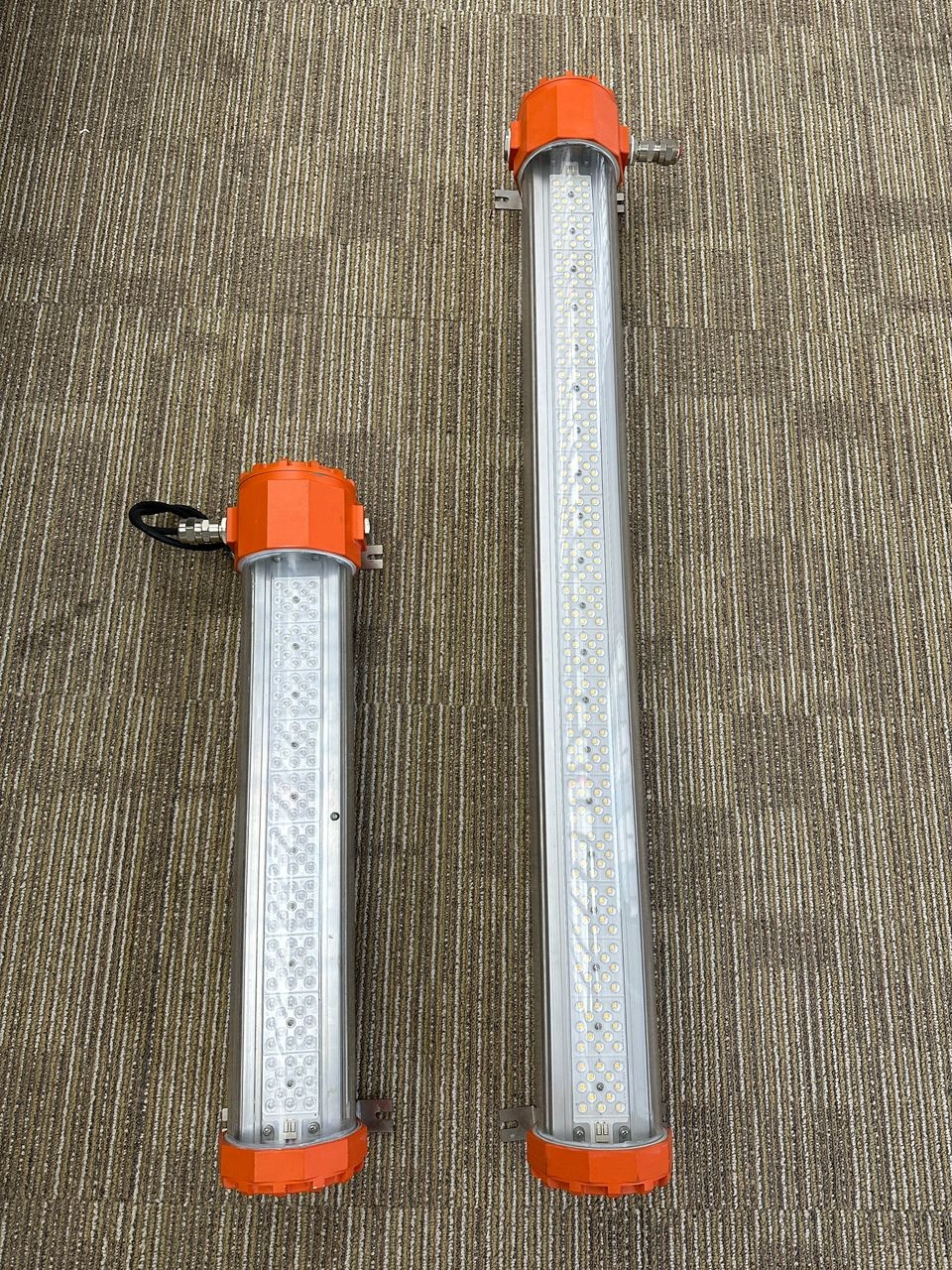
Temperature Class (T-Code) is a key parameter for explosion-proof electrical equipment. It indicates the equipment's maximum surface temperature, which must stay below the auto-ignition temperature (AIT) of surrounding hazardous substances.
1. Temperature Groups Table (IEC/ATEX)
| Temperature Class | Max Surface Temp. | Suitable AIT Range | Common Examples |
|---|---|---|---|
| T1 | ≤450°C | >450°C | Hydrogen, Acetylene, Methane |
| T2 | ≤300°C | >300–450°C | Ethanol, Propane |
| T3 | ≤200°C | >200–300°C | Gasoline, Diesel |
| T4 | ≤135°C | >135–200°C | Diethyl ether |
| T5 | ≤100°C | >100–135°C | Carbon disulfide |
| T6 | ≤85°C | >85–100°C | Most restrictive |
For Dust: Usually marked with specific temperature (e.g. T135°C or T120°C) instead of T1–T6.
2. How to Select the Right T-Code
- Find AIT of the substance (check MSDS/SDS or IEC 60079-20-1).
- Apply Safety Margin: Equipment max surface temp must be lower than AIT. Recommend at least 20°C margin.
- Example: AIT 155°C → Choose T4 or lower.
Common Examples:
- Hydrogen (AIT ≈560°C) → T1~T4 (T4 most common)
- Gasoline (AIT ≈280°C) → T3 or lower
- Diethyl ether (AIT ≈160°C) → T4 or lower
- Aluminum dust → Check specific limit (e.g. ≤135°C)
Marking Examples: Ex db IIC T4 Gb → Max surface ≤135°C (Gas). Ex tb IIIC T120°C Db → Max surface ≤120°C (Dust).
3. Important Notes
- Gas: Use T1–T6 classes. Dust: Use exact °C value.
- Standard ambient rating: -20°C to +40°C (special versions for extremes).
- Most Common: T5-T6 is widely used in oil & gas.
Quick Memory: T1 = Most lenient (450°C) → T6 = Most strict (85°C).
- Products
- Explosion proof light
- Portable explosion proof lighting
- Explosion proof emergency light
- Explosion proof LED T8 tube
- Explosion proof Junction Box
- Explosion proof street light
- Service
- FAQ
- Docs download
Service hotline
Tel:+86 755 29846615
Work time:9:00-20:00
E-mail:sales02@seekingled.com
address:5F, Building 5, Guole Science and Technology Park, Lirong Road, Dalang Street, Longhua, Shenzhen, China
Copyright © 2026 All rights reserved:Exlights/seekingled