

Additional Protection Ratings Required for Explosion-Proof Lights: IP66/IP67, IK10, Corrosion Resistance
Beyond explosion-proof certification, additional protection ratings like IP66/IP67, IK10, and corrosion resistance (C3-C5) are essential for real-world harsh environments — a complete selection guide.
How to Identify Temperature Groups (T-Code) in the Zone System (ATEX / IECEx)
A guide to T-Code (T1-T6) temperature classes in the ATEX/IECEx Zone system, with practical selection steps and matching examples for common gases and dusts.
How to Identify Gas Groups and Dust Groups in the Zone System (ATEX / IECEx)
A guide to gas groups (IIA, IIB, IIC) and dust groups (IIIA, IIIB, IIIC) in the ATEX/IECEx Zone system, with typical gases/dusts and selection rules for each group.
How to Match T-Code (Temperature Class) with On-Site Gases in the NEC Class/Division System
A practical guide to matching T-Code (T1-T6) with on-site gas auto-ignition temperatures in the NEC system, with real-world matching examples for common industrial gases.
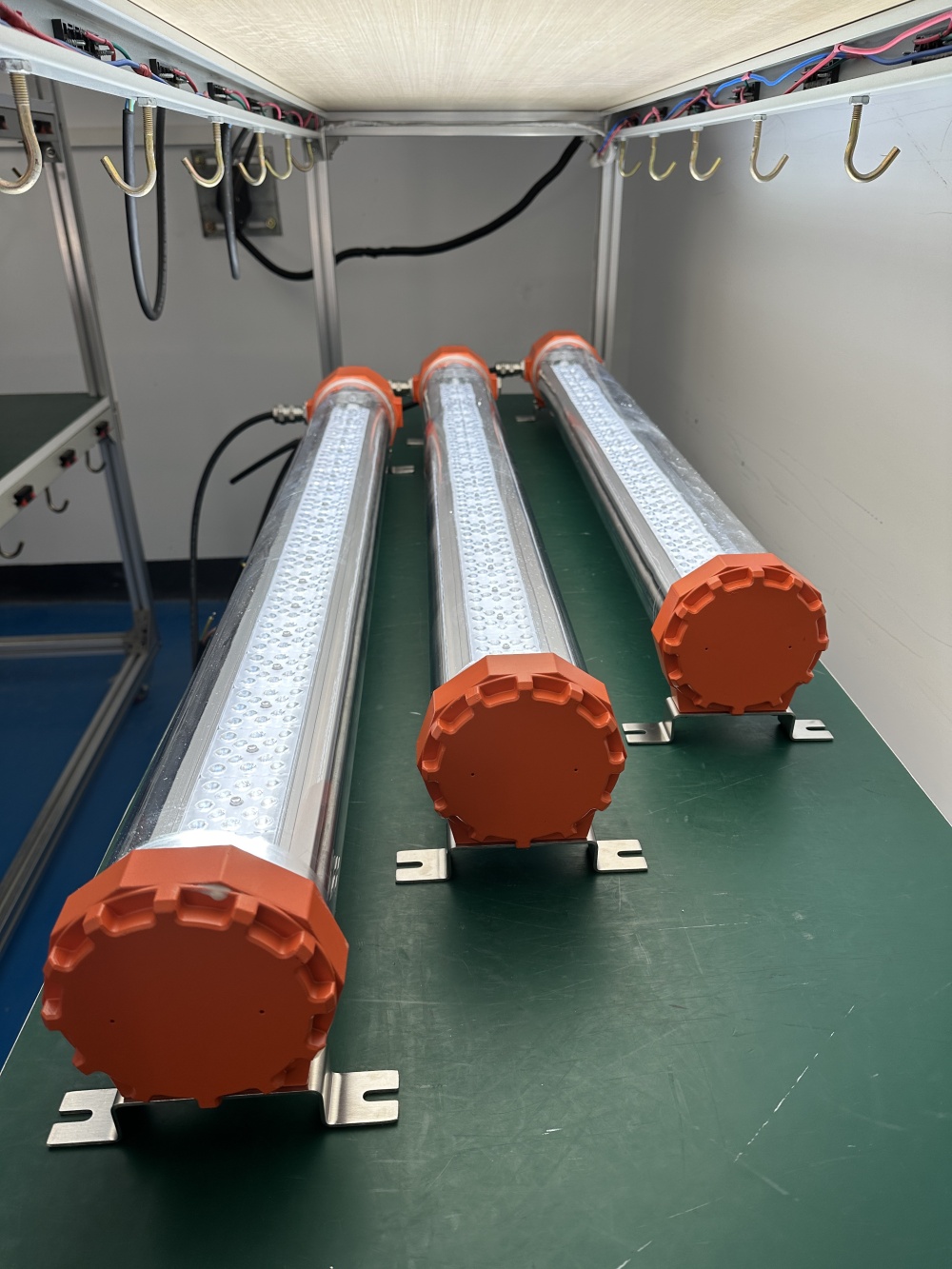
How to Distinguish Gas Groups (A-D) and Dust Groups (E-G) in the NEC Class/Division System
A practical guide to NEC gas groups (A-D) and dust groups (E-G), their classification by explosion pressure and MESG, and how to select the right explosion-proof equipment for each group.
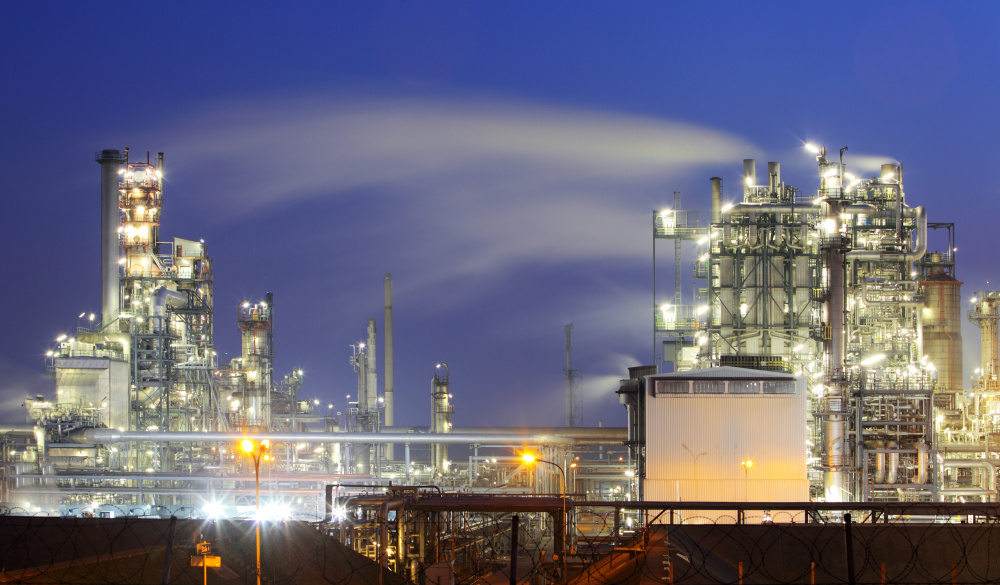
What Are the Main Certification Standards for Explosion Proof Lights?
A comprehensive guide to the four main explosion-proof lighting certifications — ATEX, IECEx, UL844, and NEC Class/Division — their regions, classification systems, and why certification matters.
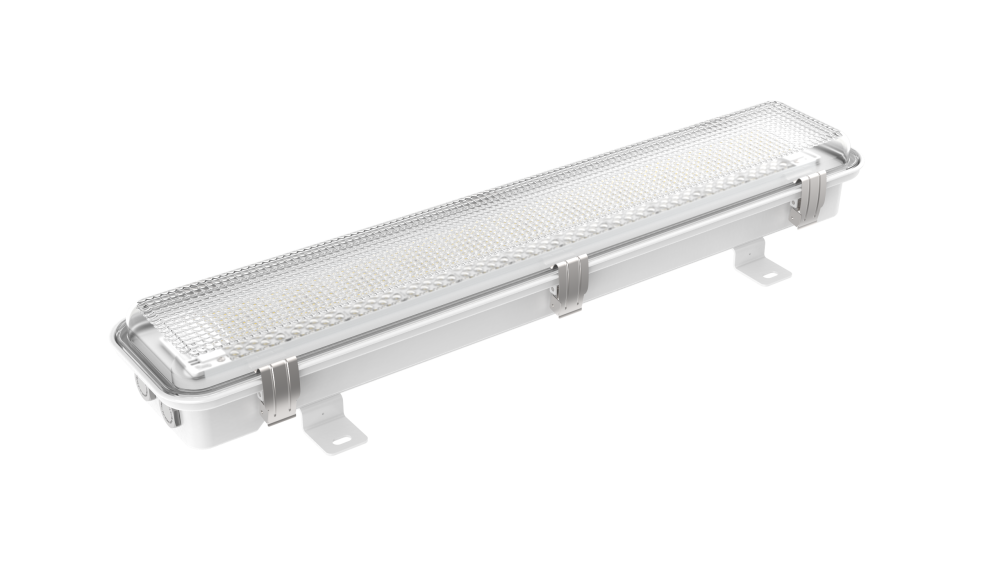
What Is the Lifespan of Explosion Proof Lights and What Are Their Maintenance Costs?
LED explosion-proof lights last 50,000+ hours (5-10+ years), reduce maintenance costs by over 60%, and offer energy savings of 50-70% compared to traditional HID/fluorescent alternatives.
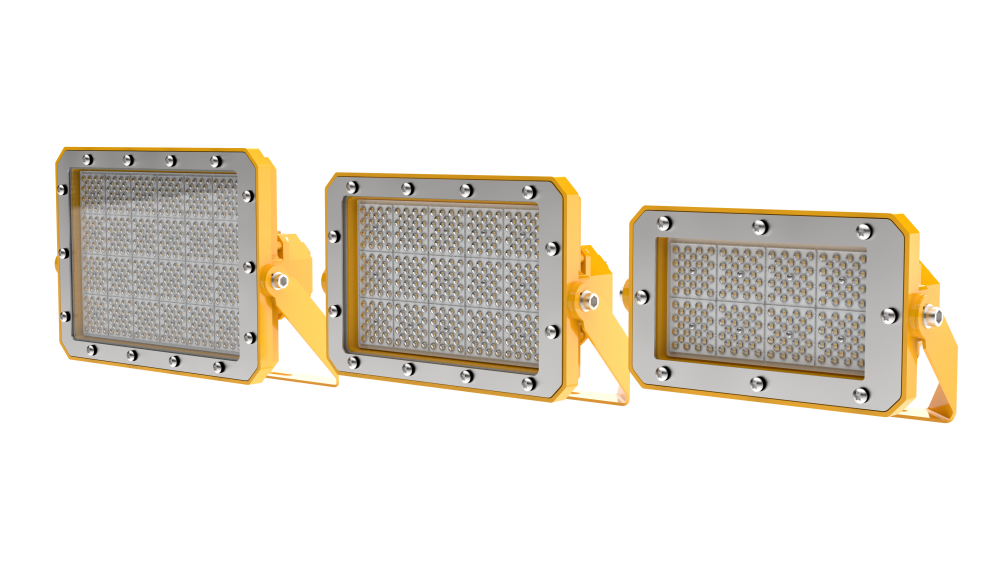
Are Explosion-Proof Lights Waterproof and Dustproof? Suitable for Wet and Outdoor Use?
Ex d, Ex nR, and Ex e explosion-proof lights can achieve IP67/IP68 protection, making them suitable for wet and outdoor environments — but IP ratings must be verified on the official ATEX/IECEx certificate.
How Do LED Explosion-Proof Lights Keep Surface Temperatures So Low?
LED explosion-proof lights achieve T5/T6 temperature ratings through high luminous efficacy, smart heat conduction, large heatsinks, and separate chamber design — making them far safer than HID alternatives.
- Products
- Explosion proof light
- Portable explosion proof lighting
- Explosion proof emergency light
- Explosion proof LED T8 tube
- Explosion proof Junction Box
- Explosion proof street light
- Service
- FAQ
- Docs download
Service hotline
Tel:+86 755 29846615
Work time:9:00-20:00
E-mail:sales02@seekingled.com
address:5F, Building 5, Guole Science and Technology Park, Lirong Road, Dalang Street, Longhua, Shenzhen, China