

What Are the Main Certification Standards for Explosion Proof Lights?
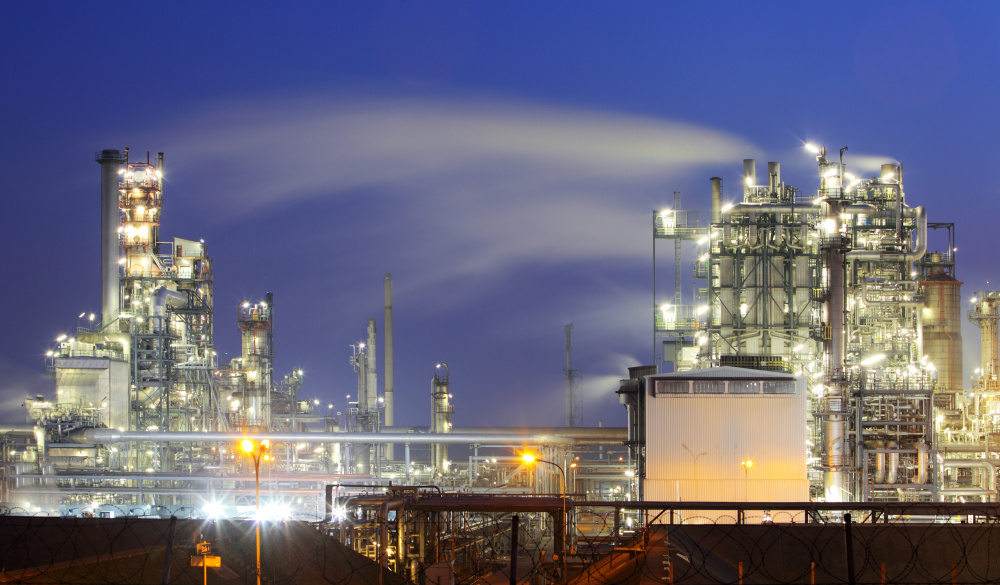
In high-risk places like oil refineries, chemical plants, mines, and pharmaceutical factories, explosion proof lights must have the right certifications to be used safely. Here's a simple breakdown of the most important ones.
1. ATEX Certification (Mainly for Europe)
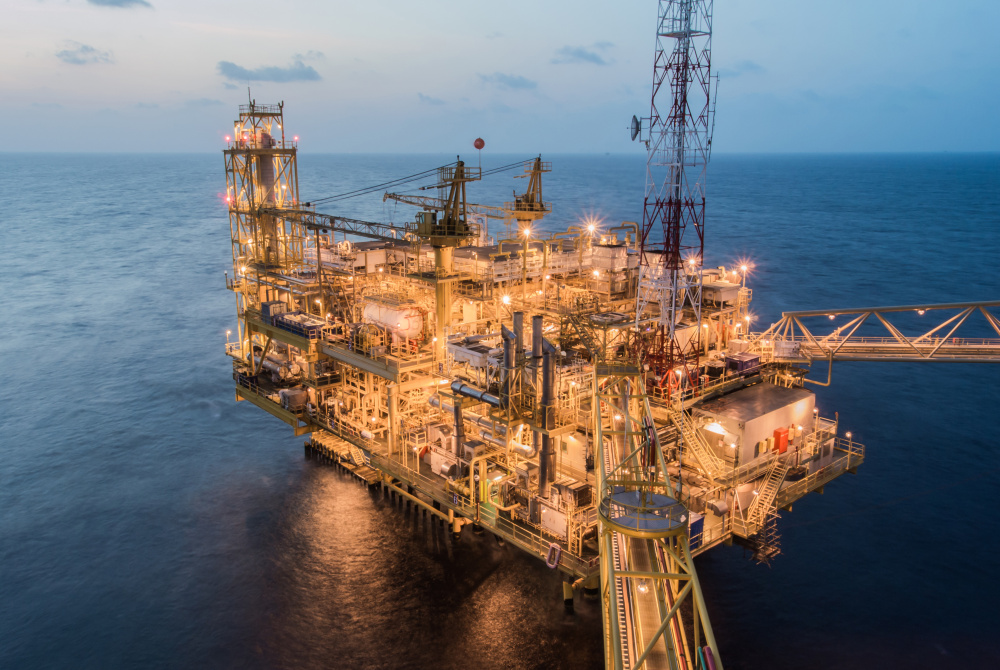
ATEX is the European Union's standard for equipment used in explosive atmospheres. It uses a Zone system (Zone 0, 1, 2 for gases; Zone 20, 21, 22 for dust). If you're selling or installing lights in Europe, ATEX is usually required.
The current directive is 2014/34/EU. It covers electrical and non-electrical equipment. Its core goal is to protect the health and safety of workers, as well as property and domestic animals.
ATEX Explosion Protection Categories:
| Zone | Frequency of Hazard | Annual Duration | Required Equipment Category |
|---|---|---|---|
| Zone 0 | Continuous or long-term | > 1000 hours/year | Category 1 (Highest protection) |
| Zone 1 | Occasional during normal operation | 10-1000 hours/year | Category 2 |
| Zone 2 | Only under abnormal conditions, short | < 10 hours/year | Category 3 (Lowest protection) |
For high-risk equipment used in Zone 0/1, the law requires an EU Notified Body to review and issue the certificate. Uncertified products are illegal and cannot be placed on the EU market.
2. IECEx Certification (International Standard)
IECEx is a global certification system created by the International Electrotechnical Commission (IEC). It is based on the IEC 60079 series. The core idea is "one certificate for global use", helping reduce repeated testing and certification barriers.
IECEx currently has 36 member countries, and its certificates are widely accepted in over 90 countries worldwide. In the Middle East (Saudi Arabia, UAE, Kuwait, Qatar, etc.) and Australia, it is often a de facto market access requirement. Many international projects (Shell, BP, Saudi Aramco, etc.) make it mandatory.
IECEx Zone Classification (Same as ATEX):
| Zone | Frequency of Hazard | Annual Duration | EPL | ATEX Equivalent |
|---|---|---|---|---|
| Zone 0 | Continuous/long-term | >1000 hrs/year | Ga | Category 1 |
| Zone 1 | Occasional in normal use | 10-1000 hrs/year | Gb | Category 2 |
| Zone 2 | Rare (abnormal conditions) | <10 hrs/year | Gc | Category 3 |
3. UL844 Certification (North America)
UL844 is the core standard for luminaires used in hazardous locations in North America. Issued by Underwriters Laboratories (UL), it works closely with the National Electrical Code (NEC) in the US and the Canadian Electrical Code (CEC).
UL844 Hazardous Location Classification (Class/Division):
| Class | Material Type | Division 1 (High Risk) | Division 2 (Lower Risk) |
|---|---|---|---|
| Class I | Flammable gases & vapors | Hazard present during normal operations | Hazard present only in abnormal conditions |
| Class II | Combustible dust | Dust suspended during normal operations | Dust accumulates but not normally airborne |
| Class III | Ignitable fibers & flyings | Fibers present during normal operations | Fibers handled/stored but not suspended |
4. NEC Class/Division System (North America)
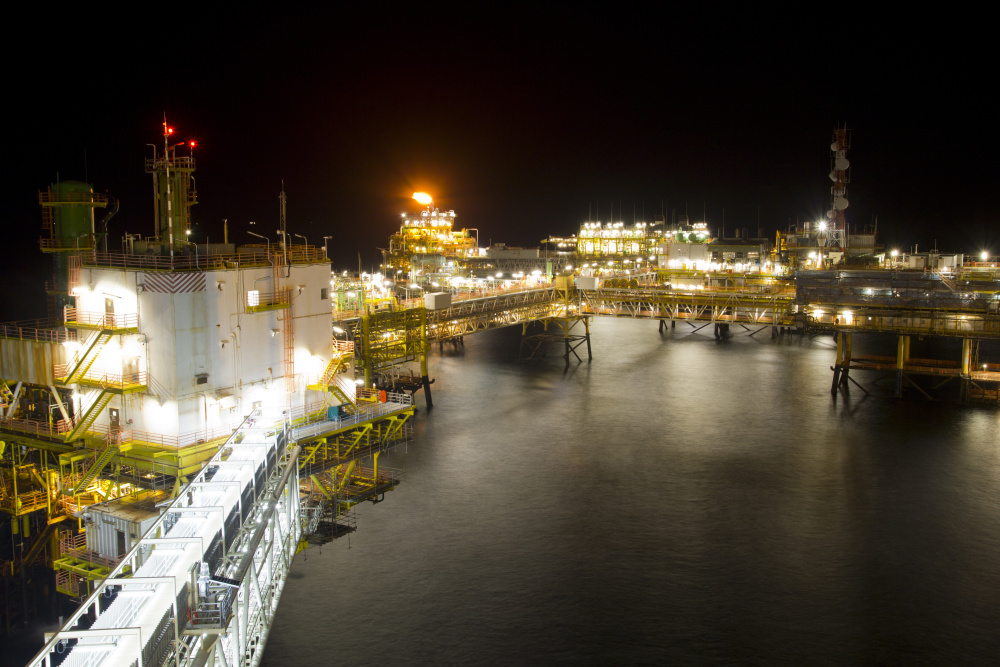
This is the safety classification system used in the United States and Canada (based on the National Electrical Code - NEC) to identify hazardous locations where there is a risk of fire or explosion due to flammable gases, dust, or fibers.
Class – What is the hazardous material?
- Class I = Flammable gases, vapors, or liquids (e.g. natural gas, gasoline vapor, hydrogen)
- Class II = Combustible dust (e.g. flour, coal dust, metal dust, grain dust)
- Class III = Ignitable fibers or flyings (e.g. textile lint, wood shavings, cotton)
Division – How likely is the hazard to be present?
- Division 1 (High Risk) = The hazardous material is present or likely to exist in ignitable concentrations under normal operating conditions.
- Division 2 (Lower Risk) = The hazardous material is not normally present in ignitable concentrations, but could be released if there is an accident or leak.
Group – Which specific substance? (Class I gases/vapors, ordered from most to least hazardous)
- Group A = Acetylene
- Group B = Hydrogen, butadiene, ethylene oxide
- Group C = Ethylene, ethyl ether, cyclopropane
- Group D = Propane, methane, gasoline, alcohol, acetone
Class II (Dust): Group E = Metal dust; Group F = Carbon-based dust; Group G = Grain, flour, wood, or plastic dust.
Quick Buying Tips
- For Europe → Choose ATEX or ATEX + IECEx
- For North America → UL844 is a must
- For global projects → Look for lights with multiple certifications
- Also check IP66/IP67 waterproof rating and temperature class (T1–T6)
Bottom Line: The right certification ensures safety and legal compliance. Always match the certification to your country and the level of risk in the area. Choosing properly certified lights helps avoid accidents and costly compliance problems.
- Products
- Explosion proof light
- Portable explosion proof lighting
- Explosion proof emergency light
- Explosion proof LED T8 tube
- Explosion proof Junction Box
- Explosion proof street light
- Service
- FAQ
- Docs download
Service hotline
Tel:+86 755 29846615
Work time:9:00-20:00
E-mail:sales02@seekingled.com
address:5F, Building 5, Guole Science and Technology Park, Lirong Road, Dalang Street, Longhua, Shenzhen, China