

Why Are Explosion-Proof Lights Necessary in Oil Exploration?
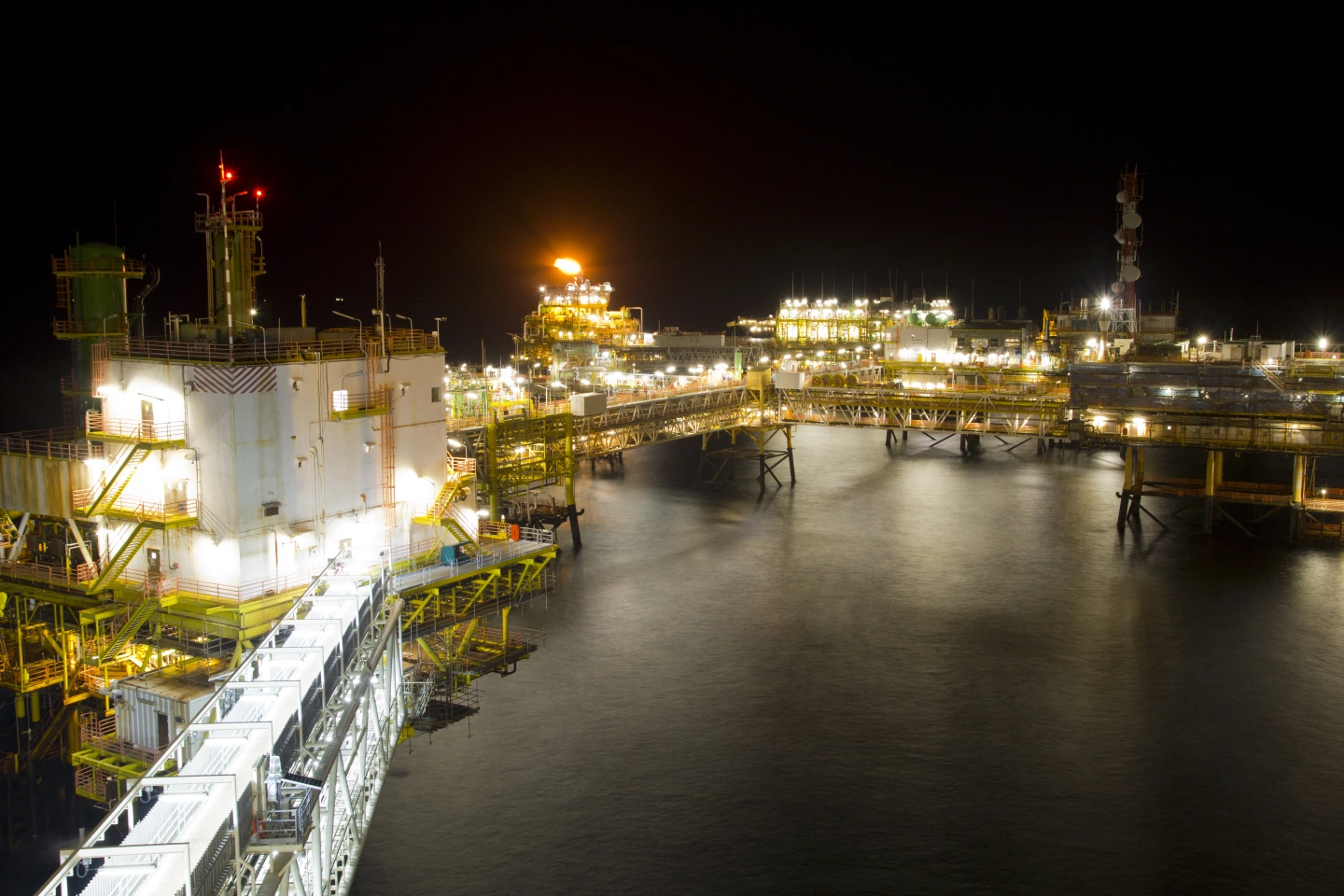
In oil exploration — including onshore drilling, offshore platforms, and oil & gas field production — there are large amounts of flammable and explosive substances such as natural gas (mainly methane), crude oil vapors, and liquefied petroleum gas. When these substances mix with air, they can easily form explosive gas mixtures. If they encounter an ignition source, the result can be catastrophic explosions, fires, equipment damage, casualties, and environmental pollution.
1. Hazardous Characteristics of Oil Exploration Environments
- Explosive atmospheres are common: Processes like drilling, oil extraction, gas-oil separation, and storage continuously or intermittently release combustible gases. According to international standards (IECEx / ATEX), these areas are typically classified as Zone 0, Zone 1, or Zone 2:
- Zone 1 (high risk): Explosive gases may appear during normal operations (e.g., around wellheads and separators).
- Zone 2 (lower risk): Gases appear only briefly under abnormal conditions.
- Multiple ignition source risks: Electrical equipment can produce sparks, arcs, static electricity, or high surface temperatures during operation. Even LED lights, if poorly designed, can generate heat in drivers or housings.
Ordinary lights used in such environments can cause sparks or heat leakage during internal faults (short circuits, insulation breakdown), directly igniting surrounding gases.
2. Core Functions of Explosion-Proof Lights
Explosion-proof lights (also called Ex lights) eliminate or control ignition sources through special design and certification. The main principles include:
- Ex d Flameproof Enclosure: The most common type. The light uses a high-strength housing (aluminum alloy + tempered glass) that can withstand the pressure of an internal explosion and cool escaping gases through specially designed flamepath gaps, so they are no longer hot enough to ignite the external atmosphere.
- Temperature Control: Strictly limits surface temperature (e.g., T6 group ≤85°C) to prevent the light from becoming a hot-surface ignition source.
- Sealing and Protection: IP66/IP67 high ingress protection prevents gas, dust, and moisture from entering, combined with IK10 impact resistance to withstand vibration, salt spray, rain, and harsh field conditions.
- Certification Compliance: Must pass authoritative certifications such as ATEX (Europe), IECEx (International), UL/FM (North America) to be legally used in corresponding hazardous zones.
3. Practical Importance of Using Explosion-Proof Lights
- Prevent Major Accidents: Many historical oil and gas explosions were directly linked to ignition from electrical equipment. Explosion-proof lights minimize this risk and support safe continuous production.
- Regulatory Compliance: National safety regulations (e.g., China's GB 50058, OSHA, API standards) strictly require the use of properly rated explosion-proof electrical equipment in hazardous areas. Non-compliance can lead to shutdowns, fines, or legal liability.
- Improve Operational Efficiency: Modern LED explosion-proof lights (such as the SEEKINGLED FL7 series) offer high efficiency (150lm/W), long lifespan (>100,000 hours), and low energy consumption, reducing maintenance costs while ensuring safety.
Summary: Using explosion-proof lights in oil exploration is not optional — it is a fundamental requirement for protecting lives and property. When selecting lights, always match the Zone rating, gas group (IIA/IIB/IIC), and temperature class (T1–T6) to the specific site conditions.
- Products
- Explosion proof light
- Portable explosion proof lighting
- Explosion proof emergency light
- Explosion proof LED T8 tube
- Explosion proof Junction Box
- Explosion proof street light
- Service
- FAQ
- Docs download
Service hotline
Tel:+86 755 29846615
Work time:9:00-20:00
E-mail:sales02@seekingled.com
address:5F, Building 5, Guole Science and Technology Park, Lirong Road, Dalang Street, Longhua, Shenzhen, China