

Why Are Explosion-Proof Lights Essential in Refineries?
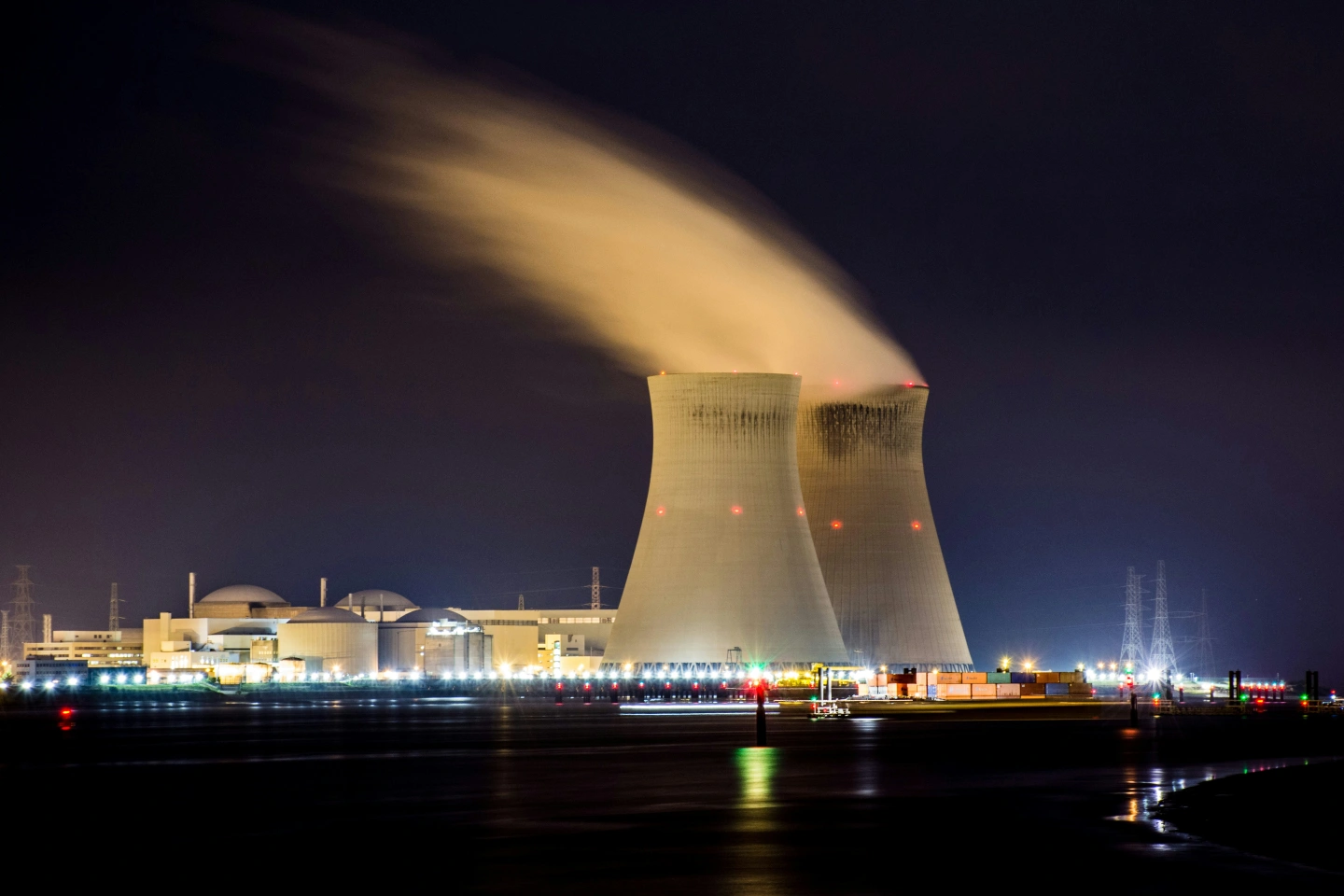
Refineries are among the highest explosion-risk facilities in the petrochemical industry. Throughout the entire production process — including crude oil distillation, catalytic cracking, hydrotreating, reforming, blending, and storage & transportation — large quantities of flammable and explosive substances are handled, such as crude oil vapors, gasoline, diesel, liquefied petroleum gas (LPG), hydrogen, and hydrogen sulfide. These substances can easily form explosive gas mixtures with air. If they encounter sparks, electric arcs, or high surface temperatures from electrical equipment, they can trigger catastrophic explosions or fires.
1. Hazardous Characteristics of Refinery Environments
- Widespread Explosive Atmospheres: According to international IECEx and ATEX standards, most areas in a refinery are classified as Zone 1 (where explosive gases may be present during normal operation — e.g., pump rooms, valve manifolds, loading/unloading zones, and tank roofs) or Zone 2 (where gases appear only briefly during leaks or abnormal conditions).
- Frequent Leakage Risks: Pipes, pumps, valves, storage tanks, and towers can experience minor leaks during long-term high-pressure and high-temperature operation, leading to continuous or intermittent release of flammable gases and vapors.
- Ignition Source Risks: Ordinary electrical equipment can generate sparks, arcs, static electricity, or excessive surface heat during operation, switching, or faults.
Many major refinery accidents around the world have been directly or indirectly linked to ignition from electrical equipment. Therefore, explosion protection is a core mandatory requirement in refinery design.
2. Core Functions and Principles of Explosion-Proof Lights
- Ex d Flameproof Enclosure: The most common and reliable type. The high-strength aluminum alloy housing can withstand the pressure of an internal explosion and cool/extinguish escaping flames through precision flamepath gaps, preventing them from igniting the external atmosphere.
- Strict Temperature Control: Surface temperature classes are typically T4, T5, or T6 (maximum surface temperature 85°C–135°C), well below the auto-ignition temperature of most refinery gases.
- High Protection Ratings: IP66/IP67 (waterproof and dustproof) + IK10 (impact resistant), suitable for the corrosive (acidic gases, salt spray, high humidity) and vibrating conditions in refineries.
- International Certification: Must be certified to IECEx, ATEX, UL/FM, etc., and clearly marked with the applicable gas group (IIA/IIB/IIC) and temperature class.
3. Practical and Regulatory Importance
- Safety & Risk Reduction: They effectively prevent lighting systems from causing secondary explosions and form a critical part of refinery safety management systems.
- Compliance with International Standards: IECEx and ATEX are the primary global and European standards. API Recommended Practices (e.g., API RP 500, API RP 14F) provide industry-specific guidance. OSHA regulations (especially 1910.307) mandate the use of properly rated equipment in the United States. Compliance is mandatory, not optional.
- Operational Benefits: LED explosion-proof lights save more than 60% energy compared to traditional ones, last over 100,000 hours, significantly reduce maintenance frequency and downtime, and lower long-term operating costs.
Summary: In refineries, the use of explosion-proof lights is not optional — it is a mandatory safety baseline. For high-risk areas such as pump stations, tank farms, pipe racks, and loading terminals, Zone 1 Ex d flameproof LED explosion-proof flood lights are strongly recommended.
- Products
- Explosion proof light
- Portable explosion proof lighting
- Explosion proof emergency light
- Explosion proof LED T8 tube
- Explosion proof Junction Box
- Explosion proof street light
- Service
- FAQ
- Docs download
Service hotline
Tel:+86 755 29846615
Work time:9:00-20:00
E-mail:sales02@seekingled.com
address:5F, Building 5, Guole Science and Technology Park, Lirong Road, Dalang Street, Longhua, Shenzhen, China