

Why Are Explosion-Proof Lights Necessary in Upstream Natural Gas Extraction?
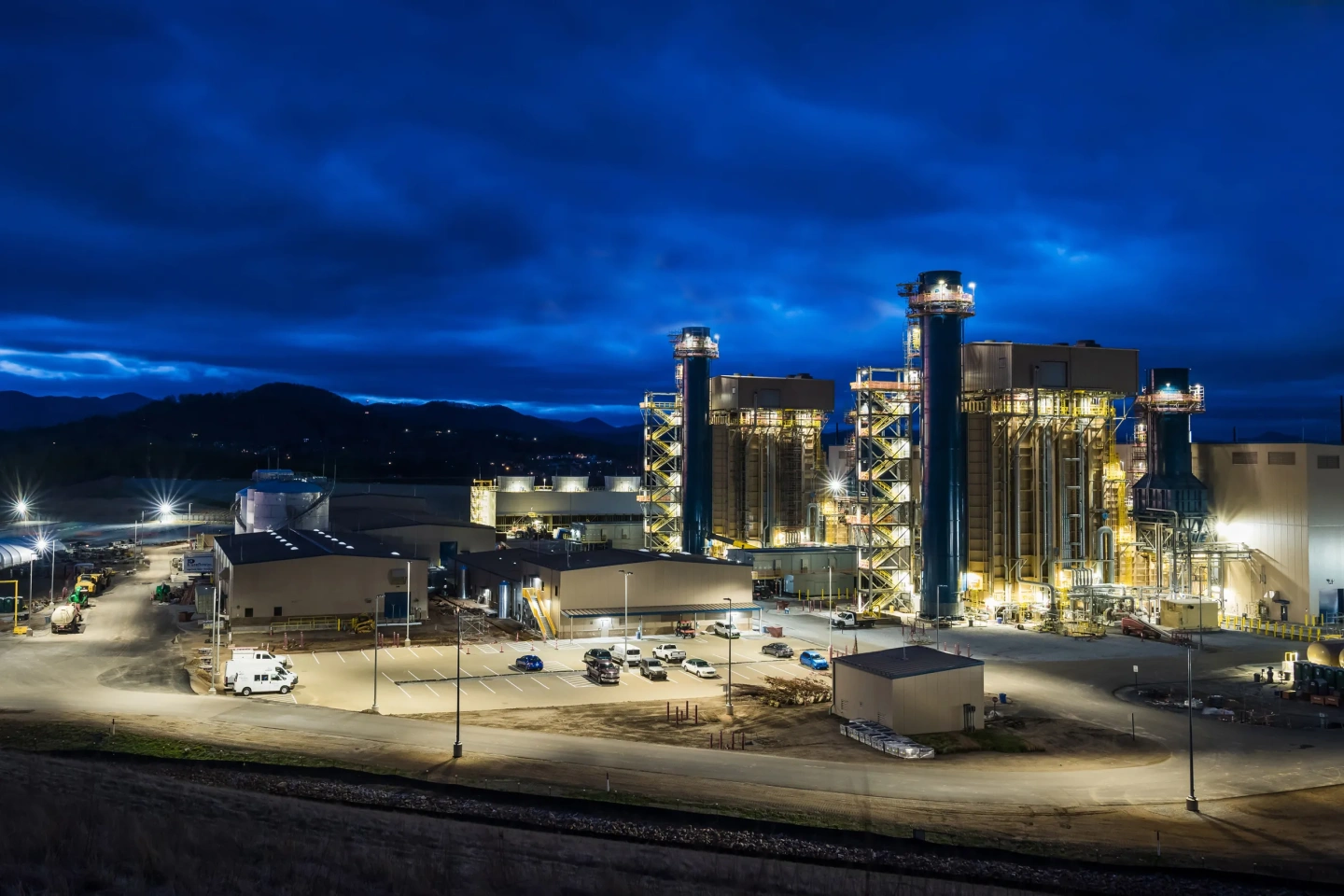
Upstream natural gas extraction (including drilling, wellhead production, and early gathering & processing) is the highest explosion-risk stage in the entire natural gas industry chain. Explosion-proof lights are mandatory in these operations.
1. Hazardous Characteristics of Upstream Extraction Environments
- High-Concentration Flammable Gas: Raw natural gas from the wellhead is primarily composed of methane (CH₄), classified as Group IIA or IIB gas, with a lower explosive limit of only about 5%. When mixed with air, it easily forms explosive mixtures.
- Associated Hazardous Gases: Often contains hydrogen sulfide (H₂S), carbon dioxide, and condensate vapors, which increase both corrosion and explosion risks.
- Continuous or Intermittent Release: Gas leaks can occur during normal operations such as drilling, workover, well testing, oil-gas separation, and gathering stations — especially around wellheads, separators, valve manifolds, and flare areas.
- Harsh Site Conditions: High pressure, high temperature, vibration, rain, salt spray (on offshore platforms), and dust significantly increase the failure probability of electrical equipment.
According to international IECEx and ATEX standards, most upstream production facilities are classified as Zone 1 or even Zone 0. In these zones, any potential ignition source must be strictly controlled.
2. Hazards of Ordinary Lights
Ordinary lighting fixtures can produce electric sparks, arcs, or high surface temperatures during operation or failure. These are sufficient to ignite methane-air mixtures, leading to wellsite explosions or fires. Historically, many natural gas extraction accidents have been directly linked to ignition from electrical equipment.
3. Core Protection Principles of Explosion-Proof Lights
- Ex d Flameproof Structure: The high-strength enclosure can withstand an internal explosion and prevent flames from propagating outward.
- Strict Temperature Control: Typically T5 or T6 rating, with surface temperatures well below the ignition point of the gas.
- High Protection Performance: IP66/IP67 + IK10, capable of withstanding vibration, rain, and corrosive environments on well sites.
- Authoritative Certification: Must be certified to IECEx, ATEX, and other relevant standards.
4. Regulatory and Practical Significance
International standards (IECEx, ATEX, API RP 14F, API RP 500) clearly require the use of properly rated explosion-proof electrical equipment in hazardous areas. Upstream operations are often located in remote or offshore locations, where accidents can have severe consequences. Using explosion-proof lights is a fundamental requirement for personnel safety, asset protection, and production continuity.
Summary: Using explosion-proof lights in upstream natural gas extraction is a mandatory safety and compliance requirement, not an option. When selecting lights, it is strongly recommended to choose Zone 1 Ex d flameproof LED explosion-proof lights and ensure they strictly match the site's Zone classification and gas group.
- Products
- Explosion proof light
- Portable explosion proof lighting
- Explosion proof emergency light
- Explosion proof LED T8 tube
- Explosion proof Junction Box
- Explosion proof street light
- Service
- FAQ
- Docs download
Service hotline
Tel:+86 755 29846615
Work time:9:00-20:00
E-mail:sales02@seekingled.com
address:5F, Building 5, Guole Science and Technology Park, Lirong Road, Dalang Street, Longhua, Shenzhen, China