

Explosion Proof Lighting Malaysia: DOSH & IECEx Rules
Hazardous Area Lighting in Malaysia: DOSH Recognition and How to Specify It
Malaysia is a major refining, petrochemical and LNG base in Southeast Asia. For the contractors, EPCs and end users who need to install explosion-proof lighting in hazardous areas, the real difficulty is rarely whether the luminaire lights up — it is whether the equipment and the paperwork clear DOSH recognition and survive an MHF (Major Hazard Facility) audit. This page sets out Malaysia's admission path, its regulatory framework and on-site selection in one place, for specification and procurement planning.
Where Malaysia's hazardous areas are
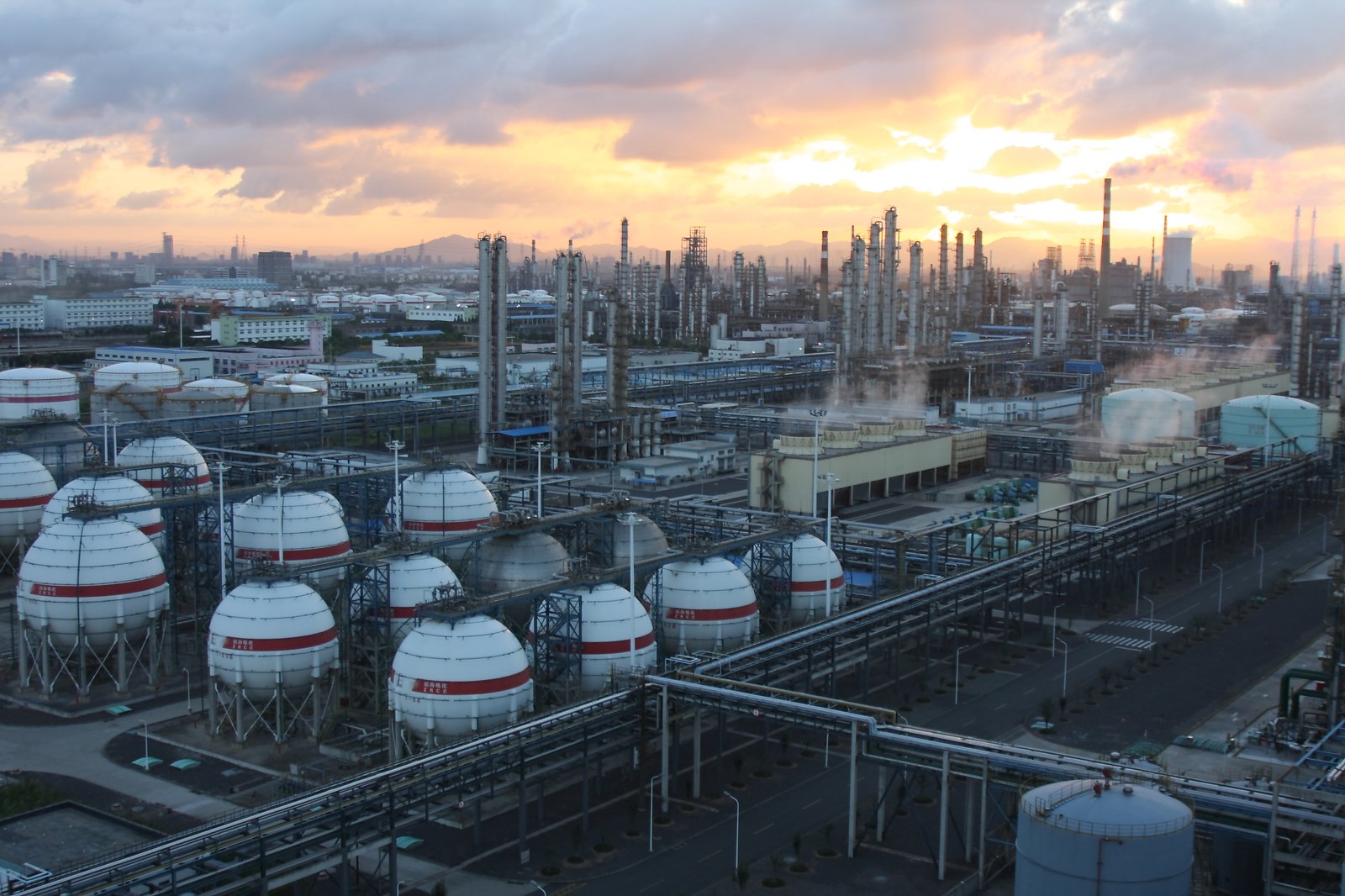
Malaysia's explosion-proof demand is concentrated on a few national petrochemical and energy corridors: Pengerang RAPID in southern Johor, Kerteh in Terengganu, Gebeng in Kuantan, Pahang, and the Bintulu LNG complex in Sarawak. The pipe racks, tank farms, loading areas and process units at these sites are broadly classified Zone 1 / Zone 2, and the lighting must meet the corresponding Ex protection and EPL (Equipment Protection Level) requirements. The project list below shows demand scale and distribution; it is not our project track record.
| Area / project | Location | Nature and scale | Lighting concern |
|---|---|---|---|
| Pengerang RAPID / PIC | Southern Johor | Refinery + petrochemical integration; 300,000 b/d refining plus about 7.7 Mt/yr petrochemicals; RAPID investment about US$16 billion (associated facilities about US$11 billion) | Pipe racks, tank farms, loading area, process platforms |
| Kerteh petrochemical zone (PPIC / IPC) | Terengganu | PETRONAS integrated petrochemical base, developed since the early 1980s, ethylene-led; Kerteh port handles about 2.5 Mt of bulk liquid chemicals and gases | Process area, jetty, tank farms |
| Gebeng petrochemical zone (GIPC) | Kuantan, Pahang | BASF PETRONAS and other integrated chemical base (zone established 1997); Gebeng industrial area about 7,375 acres | Plant area, tank farms, utilities |
| Bintulu LNG | Bintulu, Sarawak | PETRONAS LNG complex, 9 trains, combined about 29.3 Mt/yr LNG (established 1978, started up 1983) | LNG loading area, tank-farm area, jetty |
Regulatory framework: DOSH, OSHA 1994, FMA 1970 and CIMAH 1996
Malaysia's Department of Occupational Safety and Health (DOSH, under the Ministry of Human Resources) is the authority for hazardous-area equipment. The core statutes are the Occupational Safety and Health Act 1994 (OSHA 1994), the Factories and Machinery Act 1970 (FMA 1970), and the Control of Industrial Major Accident Hazards Regulations 1996 (CIMAH 1996). On the equipment side, Malaysia adopts MS standards and recognises the IECEx system; installation follows IEC 60079-14 and periodic inspection follows IEC 60079-17. That means equipment-side certification and site-side installation / inspection are two separate tracks the buyer must plan together at quotation stage. A common mistake is to treat the luminaire certificate as the whole job: on a Malaysian project the certificate is only the first link, and the installation, inspection and maintenance records built on top of it are what an MHF or PETRONAS audit actually reads.
The key point: DOSH accepts IECEx conversion directly, with no repeat type testing
This is the point most competitor pages get wrong or leave unfinished. In Malaysia, equipment holding an IECEx certificate can be submitted to DOSH for conversion recognition / registration directly on the strength of that certificate, and repeat type testing is waived. That means if your equipment already carries IECEx (issued by an IECEx-recognised certification body), entering the Malaysian market does not require a full local type-certification pass — the cycle and cost are well below a full-flow certification. DOSH conversion / registration is normally faster than full-flow certification, and the certificate is set by product category with a validity period.
| Path | Does DOSH accept directly? | Repeat type testing? | Practice note |
|---|---|---|---|
| Apply for conversion / registration on IECEx certificate | Yes | Repeat type testing waived | First choice. Provide the IECEx certificate and documents to proceed |
| Register directly on an ATEX certificate | No — not directly accepted | Must first go through the IECEx conversion path | Not recommended on its own; prefer equipment with IECEx |
| Who files the conversion application | Filed by the Malaysian importer or local licensed representative; the manufacturer supplies the IECEx certificate and document support (see honest position) | ||
Why ATEX cannot be used directly in Malaysia
Unlike the EU, Malaysia does not take ATEX / CE as a local admission basis. In practice, equipment with only an ATEX certificate must go through the IECEx conversion path to be installed in Malaysia, not register directly on ATEX. So when quoting for a Malaysian project, confirm first that the equipment carries an IECEx certificate; ATEX-only equipment adds conversion work and schedule risk. This is why this page treats "iecex malaysia" and "dosh approved lighting" as priority keywords — they are what buyers actually search, and where competitors answer wrong.
What actually blocks projects: the MHF auditable ledger plus local licensed units
In experience, what stalls most projects is not the equipment certification itself but the auditable Ex-equipment ledger that MHF (Major Hazard Facility) requires. PETRONAS's PTS specification places the same requirement on PSC contractors. This ledger must trace certification — installation — inspection — maintenance as one chain, and installation, repair and periodic inspection must in principle be done by a Malaysian local licensed unit / person. For the buyer, the question when choosing luminaires is whether the supplier can deliver a complete certification and document package so the local unit can build the file and pass audit.
| Ledger dimension | What must be recorded / traced | Basis |
|---|---|---|
| Certification | Ex certificate number, applicable standard, gas group (IIA/IIB/IIC), temperature class (T1–T6), EPL | IECEx / ATEX (after conversion) |
| Installation | Installation drawings, area classification, installer qualification and personnel licence | IEC 60079-14 |
| Inspection | Periodic inspection records, inspector qualification, defects and close-out | IEC 60079-17 |
| Maintenance | Maintenance ledger, spares, overhaul and replacement records | IEC 60079-17 |
| Accountability | Facility major-hazard registration, full-chain auditable trace | CIMAH 1996 / MHF requirement |
Site selection: IP, IK and corrosion
Malaysia's coastal, hot-and-humid, salt-laden site conditions are a hard test for the luminaire enclosure. Our whole range is IP67 + IK10 (BT8 designed to IP33), with corrosion grade C4 (ISO 12944), covering pipe racks, tank farms and loading areas. On certification, the lead series carry ATEX + IECEx — by issuer prefix: TÜV (FL8 / GS / LU) and CSA Group (LO series); the GS / LU series are ATEX-certified. On gas group, an IIB luminaire must not be installed in an IIC (e.g. hydrogen) classified area — match the series to the area-classification drawing zone by zone. The point is not to pick the brightest luminaire but the one whose protection type, EPL and gas group match each classified point; mixing zones under a single type number is a specification error, not a saving, and it is exactly what an MHF audit will flag.
| Series | Form | Protection | Certification | Typical area |
|---|---|---|---|---|
| LO series | Linear explosion-proof luminaire | IP67 + IK10 | ATEX + IECEx (CSA) | Zone 1/2 pipe racks, platforms, walkways (internal link: LO series page) |
| HB21 | IIC gas-group luminaire | IP67 + IK10 | ATEX + IECEx | Hydrogen and other IIC areas (internal link: HB21 series page) |
| BT8 | Floodlight | IP33 | ATEX + IECEx | Non-direct-wet areas / specific under-canopy areas |
| GS / LU | — | IP67 + IK10 | ATEX only | Specific scenarios (per area classification) |
What to provide for a usable quotation
To return an executable proposal quickly, please provide as much as possible: the area-classification drawing (Zone 1/2, gas group IIA/IIB/IIC, temperature class T1–T6), the installation-point list (pipe rack / tank farm / loading area and so on), the target illuminance and supply parameters, and whether the project is already on the MHF register. We match the corresponding EPL and certified product against this information and supply the IECEx certificate and document support to help the importer / local representative complete the DOSH conversion application.
What we provide — and what we do not claim
SEEKINGLED does not hold a Malaysian local DOSH certificate. What we provide is the IECEx certificate (issued by CSA Group, covering the LO series and others) and the full documentation package; the DOSH conversion / registration is handled by the Malaysian importer or local representative. This is the real process under Malaysian regulation, and we state it plainly in every project conversation to avoid giving the buyer the impression that the manufacturer can issue the local certificate directly. The image placeholders below are direction only and do not claim our project track record.
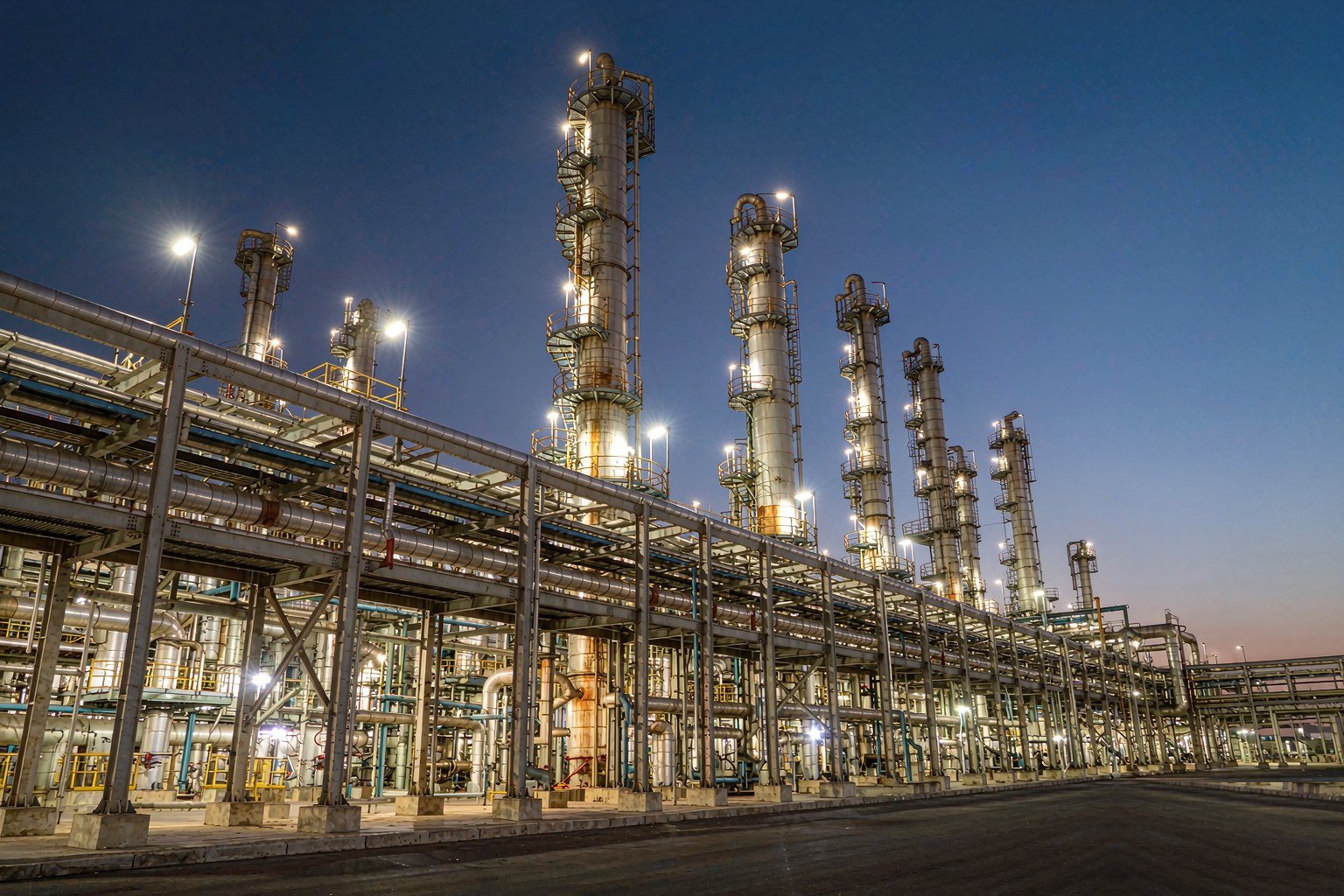
On format selection, the rule from IEC 60079-14 is to match the equipment protection level to the zone first, then choose the optical format for the point: concentrated points — tank tops, loading areas, perimeter — are carried by a floodlight format (the FL8 floodlight), while pipe racks, walkways and long process runs are served by a linear format (the LO / LU linear series) with fewer fittings and more uniform light along the run.
Frequently asked questions
Must I repeat type testing to enter the Malaysian market?
No. On a valid IECEx certificate you can apply to DOSH for conversion recognition / registration, and repeat type testing is waived. That is the core convenience the IECEx system brings by being directly recognised in Malaysia.
Can an ATEX certificate be used in Malaysia?
Not as a local admission basis on its own. In practice it goes through the IECEx conversion path; we recommend equipment that carries an IECEx certificate to avoid added conversion work and schedule risk.
Who files the DOSH conversion / registration?
It is filed by the Malaysian importer or local licensed representative; we, as the manufacturer, supply the IECEx certificate and document support and do not hold the local DOSH certificate.
What is the MHF ledger and why does it matter?
MHF (Major Hazard Facility) requires Ex equipment to be traceable end to end — certification, installation, inspection and maintenance as one auditable chain — and is a focus of owner audits such as PETRONAS. A missing ledger can stall a project at the acceptance stage.
Do you hold certification in Malaysia?
We provide the IECEx certificate (issued by CSA Group, covering the LO series and others) and document support; the Malaysian local DOSH conversion is handled by the importer / local representative, and we do not hold a local DOSH certificate. This is an honest, verifiable position. For project enquiries, contact sales02@seekingled.com.
Fact check
| Fact as stated | Source | How verified |
|---|---|---|
| DOSH (under the Ministry of Human Resources) is the authority for hazardous-area equipment; core statutes OSHA 1994 / FMA 1970 / CIMAH 1996; adopts MS standards and recognises IECEx | Five-country country-page xlsx, "Admission thresholds" Malaysia row | xlsx base |
| Installation per IEC 60079-14, inspection per IEC 60079-17; PETRONAS PTS places the same requirement on PSC contractors | Same | xlsx base |
| IECEx can be submitted to DOSH for conversion recognition / registration on the certificate, with no repeat type testing | Same | xlsx base |
| ATEX not directly accepted; practice goes through the IECEx conversion path | Same | xlsx base |
| MHF must keep an auditable Ex ledger (certification / installation / inspection / maintenance fully traced); installation, repair and periodic inspection by a local licensed unit / person | Same | xlsx base |
| Pengerang RAPID: RAPID investment about US$16 billion, associated facilities about US$11 billion; 300,000 b/d refining plus about 7.7 Mt/yr petrochemicals; construction complete Nov 2018, commissioning 2019 | petronas.com FID release + offshore-technology.com project page | WebSearch (2026-10-09) |
| Bintulu LNG (PETRONAS LNG Complex): 9 trains, combined about 29.3 Mt/yr LNG; established 1978, started up 1983 | petronas.com LNG page + MIDA petrochemical PDF | WebSearch (2026-10-09) |
| Kerteh developed since the early 1980s as a PETRONAS integrated petrochemical base (PPIC / IPC), ethylene-led | MIDA Malaysia petrochemical industry PDF | WebSearch (2026-10-09) |
| Gebeng: BASF PETRONAS (60:40) established 1997, initial investment about RM3.4 billion; Gebeng industrial area about 7,375 acres | BASF Malaysia background page + PKNP Gebeng industrial-area page | WebSearch (2026-10-09) |
| Honest position: SEEKINGLED does not hold a local DOSH certificate; conversion handled by importer / local representative | Five-country country-page xlsx, "writing stance" sheet | xlsx base |
- About Us
- Products
- Explosion proof light
- Portable explosion proof lighting
- Explosion proof emergency light
- Explosion proof LED T8 tube
- Explosion proof Junction Box
- Explosion proof street light
- Service
- FAQ
- Docs download
Service hotline
Tel:+86 755 29846615
Work time:9:00-20:00
E-mail:sales02@seekingled.com
address:5F, Building 5, Guole Science and Technology Park, Lirong Road, Dalang Street, Longhua, Shenzhen, China